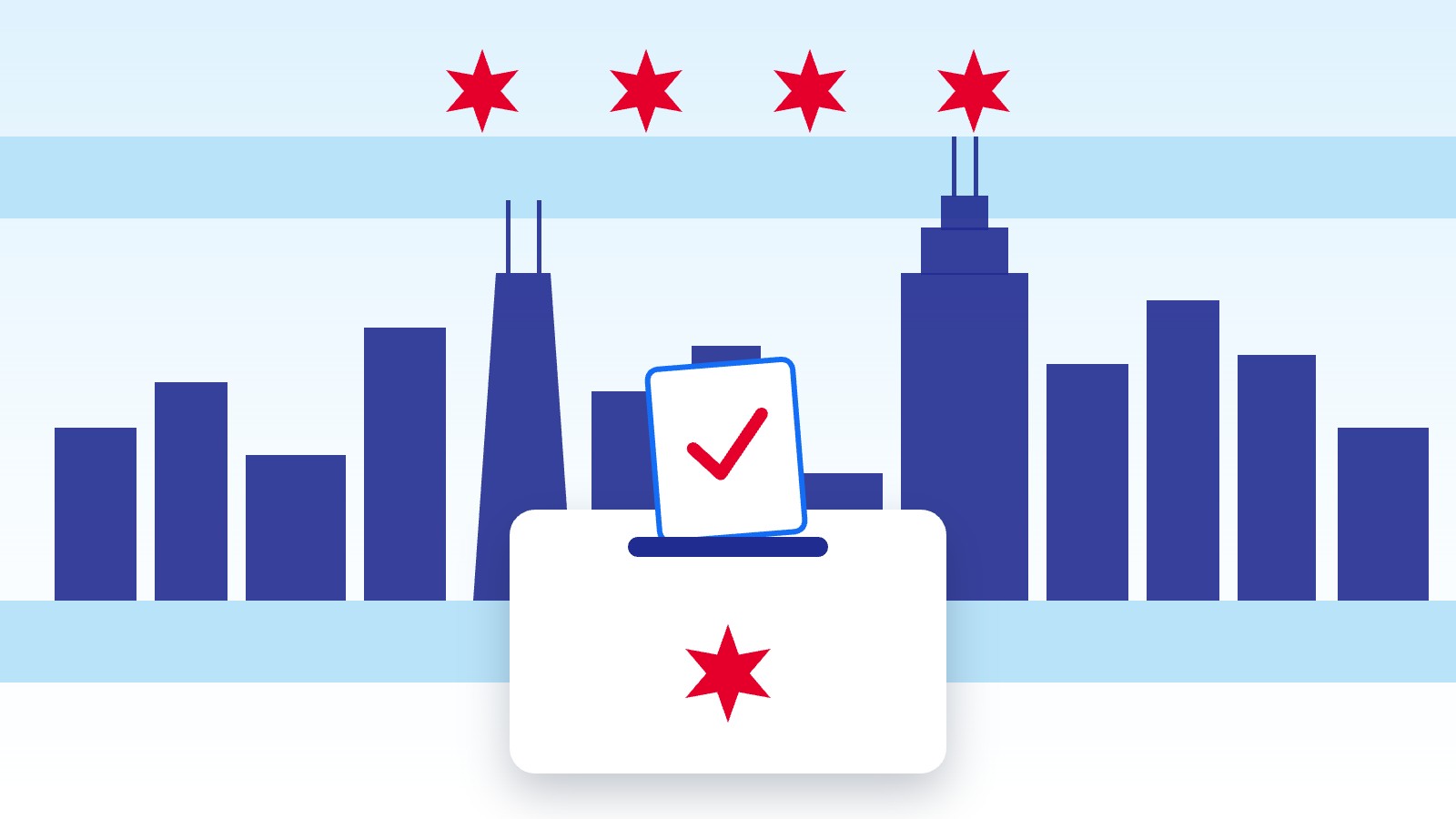
Chicago is about to vote three times in a little over five months. On November 3, Illinois picks a U.S. senator, a governor and every statewide office, plus the Cook County offices and, for the first time ever, a fully elected Chicago school board. On February 23, the city votes for mayor, clerk, treasurer and all 50 aldermen. On April 6 come the runoffs and the suburban elections across the state.
If your name is on any of those ballots, here’s the part that matters: before a voter knocks on a door, writes a check or takes a yard sign, they Google you.
The Calendar
- Tuesday, Nov. 3, 2026: Illinois general election. An open U.S. Senate seat, governor and all statewide offices, every U.S. House and Illinois House seat, the Cook County offices, judges and retention questions. Early voting expands Oct. 19.
- Tuesday, Feb. 23, 2027: Chicago municipal election. Mayor, city clerk, city treasurer and all 50 City Council seats. It’s nonpartisan, so no party label does the talking for you.
- Tuesday, Apr. 6, 2027: runoffs and the consolidated election. Chicago runoffs wherever no one clears 50 percent, plus suburban mayors, village boards and school, park and library boards.
Candidates for the February election are already collecting petition signatures: 12,500 for a citywide office, 473 for a ward. Check the Chicago Board of Election Commissioners for the exact filing dates.
What a Campaign Website Actually Needs
Not a brochure. A working front door that does a few things well:
- Says who you are and where you stand in plain language, fast, on a phone.
- Makes it easy to help. Volunteer, request a yard sign, RSVP to an event, in one short form.
- Sends donors to your secure giving page. The site never touches a card.
- Remembers everyone who raises a hand. Supporters land in a CRM with a reminder to follow up, and your list stays yours.
- Gets found. Voters search by name and by office, and increasingly ask AI assistants who’s running.
Nov 3
Feb 23
Apr 6
🗺️ Tap a ward
🗣️ What neighbors said
Live demo · sample data
Quick Survey Sites
Want to know what your ward actually cares about? A small, mobile-first survey site is one of the fastest things a campaign can launch. We can stand one up in days once your questions are ready: one question at a time, live results, contact info always optional, in English, Spanish or Polish. People who want to get involved can opt in and flow straight into your Carma CRM. Surveys are for listening, so the questions are honest and clearly yours, and we don’t build push polls.
There’s a working sample on the campaign page.
Data That Moves
Numbers on a spreadsheet don’t move anyone. We turn public election results, Census figures and your own survey and CRM totals into animated, interactive charts and ward maps: for your website, a donor deck or the war room. Tap a ward, switch a metric, change the range. The demo above is a small taste, and the campaign page has more. They’re aggregate views for planning, never tools for profiling individual voters.
Email, to People Who Asked for It
Email still works when the list is honest. We run email campaigns to confirmed opt-in lists only: people who signed up on your site, at an event or through a survey and confirmed their address. We never buy or rent lists. Every email is written and approved by your team, every message has a working unsubscribe, and we set up sender authentication so your messages actually reach inboxes. Political email is largely outside the federal CAN-SPAM law, but we follow its rules anyway because it protects your list and your reputation.
No Chatbot. On Purpose.
Here’s something most vendors won’t tell a campaign: the major AI providers don’t allow public-facing campaign chatbots. OpenAI’s rules specifically prohibit chatbots, agents and automated systems that interact with voters, donors, supporters, media or the public, and AI-generated campaign emails, texts and posts, even when a person reviews them first. As we read those rules, that includes bots that only handle chores like ordering yard signs.
So on campaign sites we leave the AI assistant off. Voters get a searchable issues and FAQ page you approve, simple guided forms for sign requests and sign-ups, and a real person on the other end. AI still helps behind the scenes where the rules allow it, with things like research summaries, internal memos, planning and organizing data. Rules change, so we check them before every launch.
How Fast Can It Happen?
Faster than you’d think. A basic campaign site can be live in about a week, and a starter page or survey in days, as long as your content is ready: photos, bio, positions and your donation link. The full system, with the CRM, Good Morning scheduling and EASEO search tracking, takes about six weeks. Blu Horizon ties it all together if you’d rather have it managed for you.
Ready When You Are
Election Day doesn’t move. Book a 20-minute campaign review → and we’ll look at how voters find you today, where supporters slip away, and what a faster, clearer site would do for your race. Or see everything on the Political Campaigns page →
Xblu builds campaign technology. Messaging, compliance and filings stay with your team.